


THE WEIGHT OF WAITING…
For ten long years, Ada and her husband, Chike, had waited for a child. Their home was filled with prayers, tears, and fragile hope. When Ada finally conceived, the news spread like sunlight through their family. Every kick, every heartbeat was a miracle she guarded fiercely.
But when the day of delivery came, things went wrong. After hours of painful, unprogressive labor, Ada was rushed into an emergency cesarean section. The surgery was long and difficult. Her womb had weakened from the stress of labor, and there were complications, including bleeding and a partial tear that the doctors fought to repair.
She survived, and so did her baby. Everyone rejoiced. Everyone except Ada.
In the days that followed, her surgical wound began to hurt more than it should. It swelled, oozed, and eventually ruptured. She was taken back to the hospital for restitching. The physical pain was unbearable, but the emotional pain ran deeper. She could barely move, and the cries of her newborn felt like echoes from another world, one she no longer belonged to.
Everyone expected her to be grateful.
“You have your baby now, Ada,” they said.
“You’ve waited ten years for this.”
But Ada didn’t feel grateful. She felt empty, as if the part of her that should have felt joy had been cut away along with her strength.
Each time she looked at her baby, guilt twisted inside her.
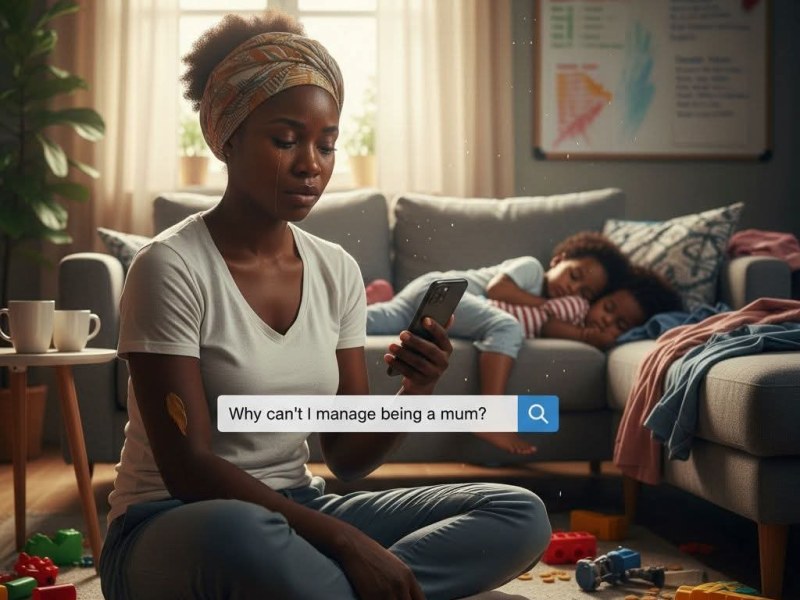
*How can I not feel love for this child I prayed for?*
*What kind of mother am I?*
She forced smiles when visitors came. But when she was alone, she cried quietly, clutching her scar and wondering why her body and her heart refused to heal. Nights were the worst. The baby’s cries grated against her exhaustion. Her wound throbbed, her mind screamed, and sleep never came.
Chike tried to help but didn’t understand.
“You’re just recovering,” he said. “You’ll feel better soon. All mothers go through this.”
But Ada was not just recovering. She was sinking, deeper into sadness, numbness, and shame.
Weeks turned into months. She stopped eating properly. She avoided holding her baby because she feared she might drop him. Sometimes, when she was alone, dark thoughts whispered that maybe everyone would be better off without her.
These were the quiet signs of postpartum depression, the invisible wound no one could restitch.
Without help, Ada’s condition worsened. The bond between her and her baby grew distant. The child became restless, cried more, and struggled to feed. Her husband, frustrated and confused, began spending less time at home. The house that once held hope now echoed with silence.
A year passed before Ada reached her breaking point. One evening, she stood by the window, thinking about how easy it would be to let go. But the faint, helpless cry of her baby stopped her. She turned, trembling, and for the first time in a long while, picked him up. He was warm and alive, the one thing her pain had not destroyed.
Through tears, she whispered, “I need help.”
The next day, she told Chike everything, the emptiness, the fear, the guilt, and the thoughts she had hidden. For the first time, he listened, truly listened. Together, they sought professional help. Ada started therapy, was given medication, and joined a support group for mothers with postpartum depression.
Healing did not come quickly, but it came. The darkness began to lift. She learned that her pain was not her fault, that postpartum depression is a real illness that can follow childbirth, especially when compounded by trauma, complications, or physical pain.
With time, Ada began to bond with her child. She learned to forgive herself for the months lost to despair. She smiled again, genuinely this time.
Through therapy, Ada understood that untreated postpartum depression does not only wound the mother but can also affect a child’s emotional and cognitive development, and strain a family beyond repair. But seeking help early can restore hope, health, and love.
Years later, Ada would tell other new mothers,
“It’s not weakness to ask for help. Sometimes, the strongest thing you can do for your child is to heal yourself first.”
Postpartum depression may cloud a mother’s heart, but when she reaches out for help, the light returns.
My name is Blessing Edobor your lifecoach and storyteller 😍
#mentalhealthawareness #Postpartumdepression #virals #storytelling #motherhood #supermum




 Easy Psychology
Leave a comment